
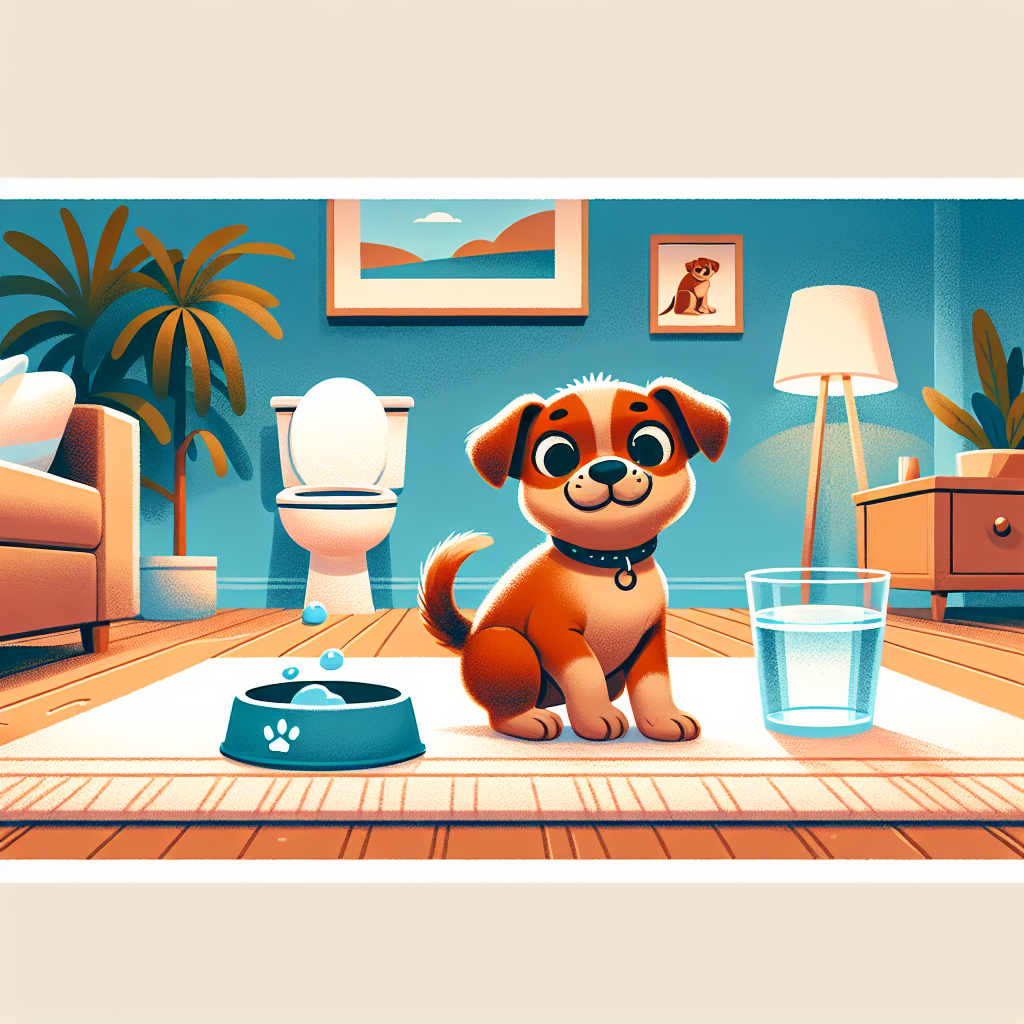

When the Floor Becomes a Bathroom
The first time your new puppy squats on the rug, you might laugh. By the tenth time, you're Googling "how much pee can one puppy produce?" and wondering if your carpet will ever recover. Raising a puppy is a joyful experience—but it comes with a surprising amount of pee.
Between excited dribbles, nervous tinkles, and poorly timed accidents, it almost feels like your pup is trying to mark the entire house as theirs—one puddle at a time. But behind the frequent urination is a complex mix of biology, hydration, and learning curves that every dog owner should understand.
This article breaks down the science of puppy pee, how much water your dog should be drinking, and how to support healthy hydration habits while keeping your floors (mostly) dry.
Tiny Bladders, Big Impact: Why Puppies Pee So Much
Puppies have underdeveloped bladders and limited control over their bodily functions. A 12-week-old puppy typically needs to pee every 1–2 hours when awake, and after every nap, play session, or meal. This is because:
- Small bladder capacity: Puppies can’t "hold it" long.
- High metabolism: More water in, more pee out.
- Inexperience: They don’t yet recognize when or where to go.
Fun (and frustrating) fact: A puppy can urinate over 10 times a day—and that's just during waking hours.
So... How Much Pee Are We Talking About?
On average, a healthy puppy will urinate about 10–20 ml per pound of body weight per day. So, a 10-pound puppy may produce up to 200 ml (about 7 ounces) of urine daily. Spread that across tiny puddles throughout your house, and you’ve got a full-time cleaning job.
Pee cleanup tally by 6 months:
- Average daily pee puddles: 8–12
- Weekly cleanup sessions: 56–84
- By 6 months: Over 1,400 pee cleanups (if you’re lucky)
Hydration 101: How Much Water Should a Dog Drink?
Water intake depends on age, weight, activity, and diet. A general guideline is:
- Puppies: ½ to 1 ounce of water per pound of body weight daily
- Adult dogs: The same, though active dogs may need more
- Senior dogs: May drink more or less depending on health
For example:
- A 10-lb puppy needs about 5–10 oz of water daily
- A 50-lb adult dog should drink 25–50 oz (3–6 cups) daily
Always adjust based on weather, activity, and diet. Dogs eating dry kibble need more water than those on wet food.
When to Worry About Too Much (or Too Little) Pee
Regular dog urination is healthy, but here’s when to check with a vet:
- Excessive urination: Could signal diabetes or a urinary tract infection
- Too little urination: May point to dehydration or kidney issues
- Strong odor or dark color: Signs of dehydration or health problems
- Accidents after potty training: Could be behavioral or medical
Hydration is important—but balance is key.
Healthy Hydration Habits for Happy Puppies
1. Fresh Water Always: Clean bowls daily. Refill with cool, fresh water.
2. Monitor Intake: Not too much, not too little. Use a measuring bowl if needed.
3. Scheduled Potty Breaks: Puppies need breaks every 1–2 hours during the day.
4. Reward Success: Praise and treats for peeing outside reinforce good habits.
5. Limit Water Before Bed: Especially during crate training, reduce water 2 hours before bedtime (unless otherwise advised by a vet).
Hydration Tools That Help
- Stainless Steel Bowls: Easy to clean and bacteria-resistant
- Pet Water Fountains: Encourage drinking with continuous flow
- Puppy Pads and Enzyme Cleaners: For inevitable indoor accidents
- Smart Water Dispensers: Track intake digitally for health monitoring
Final Thought: Patience and Paper Towels Go a Long Way
Raising a puppy is like having a toddler with four legs and no diaper. Pee management is part of the process. But with the right hydration habits, a consistent potty routine, and a lot of enzyme cleaner, you'll both get through it—and come out stronger (and drier) on the other side.
Further Reading & Resources
Learn step-by-step methods to house-train your puppy effectively.
Detailed breakdown of water needs by breed, age, and activity.
Medical insight into abnormal urination and when to seek help.
Practical advice on cleaning techniques and odor control.